Join us in building an affordable, sustainable future—for every family, every community, and our planet.
Get to know who we are and what we stand for.
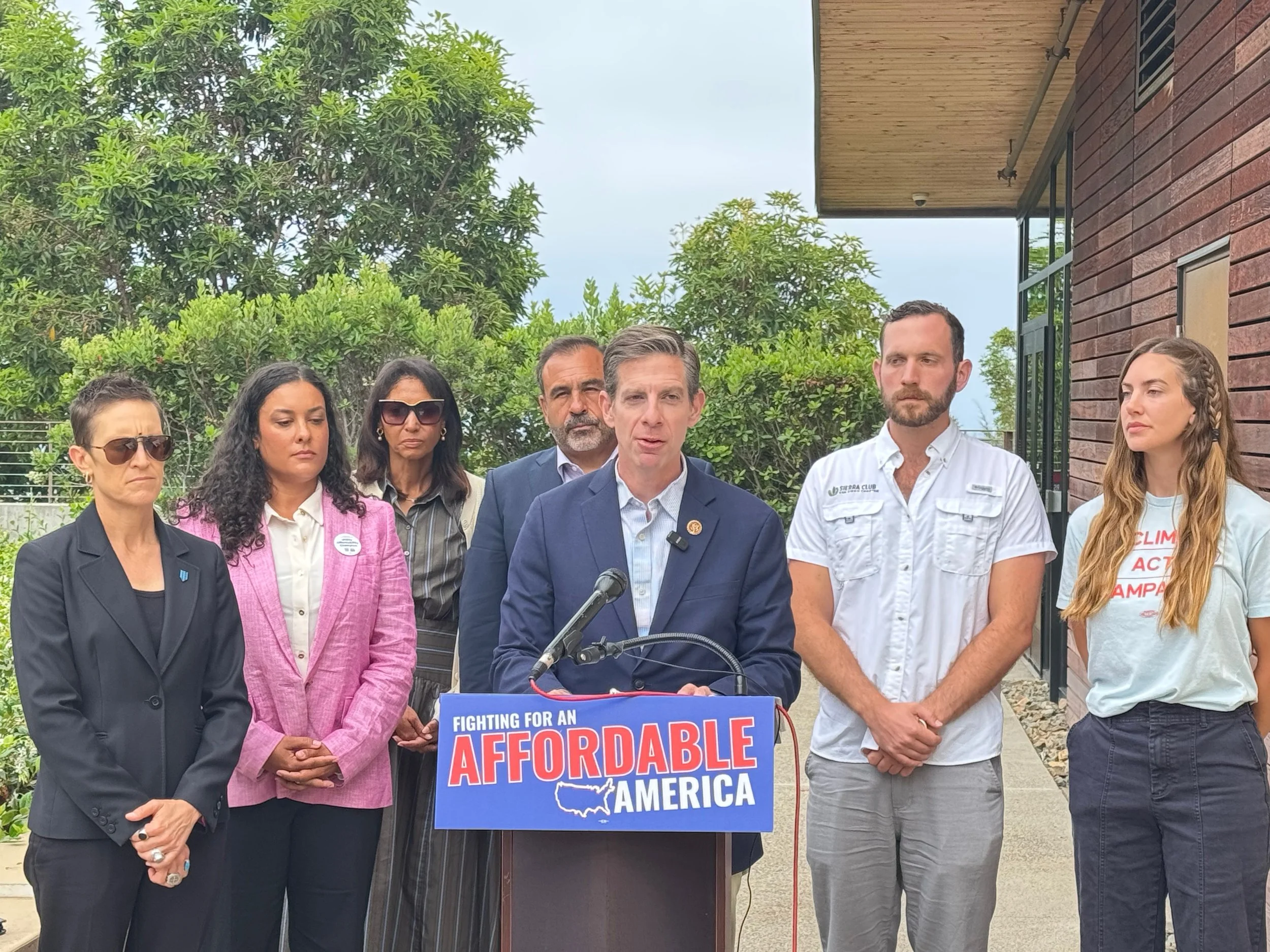
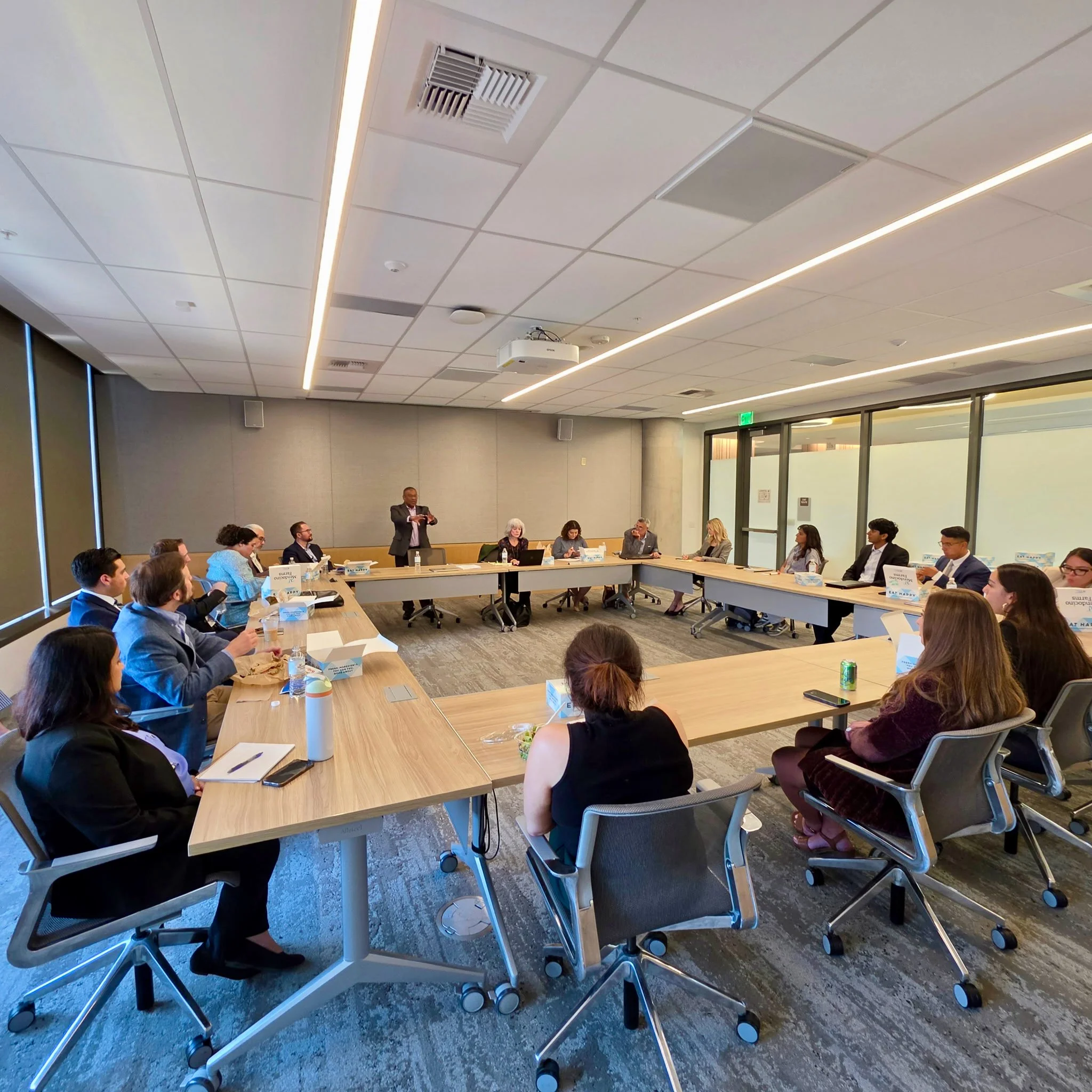
Adria Tinnin, Director of Race Equity and Legislative Policy, joined a roundtable of stakeholders to provide Congressman Mike Levin feedback and suggestions on what can be done at the federal level to achieve utility affordability in California.
TURN Executive Director Mark Toney briefs updates members at an August 2026 Wildfire Legislative Briefing.
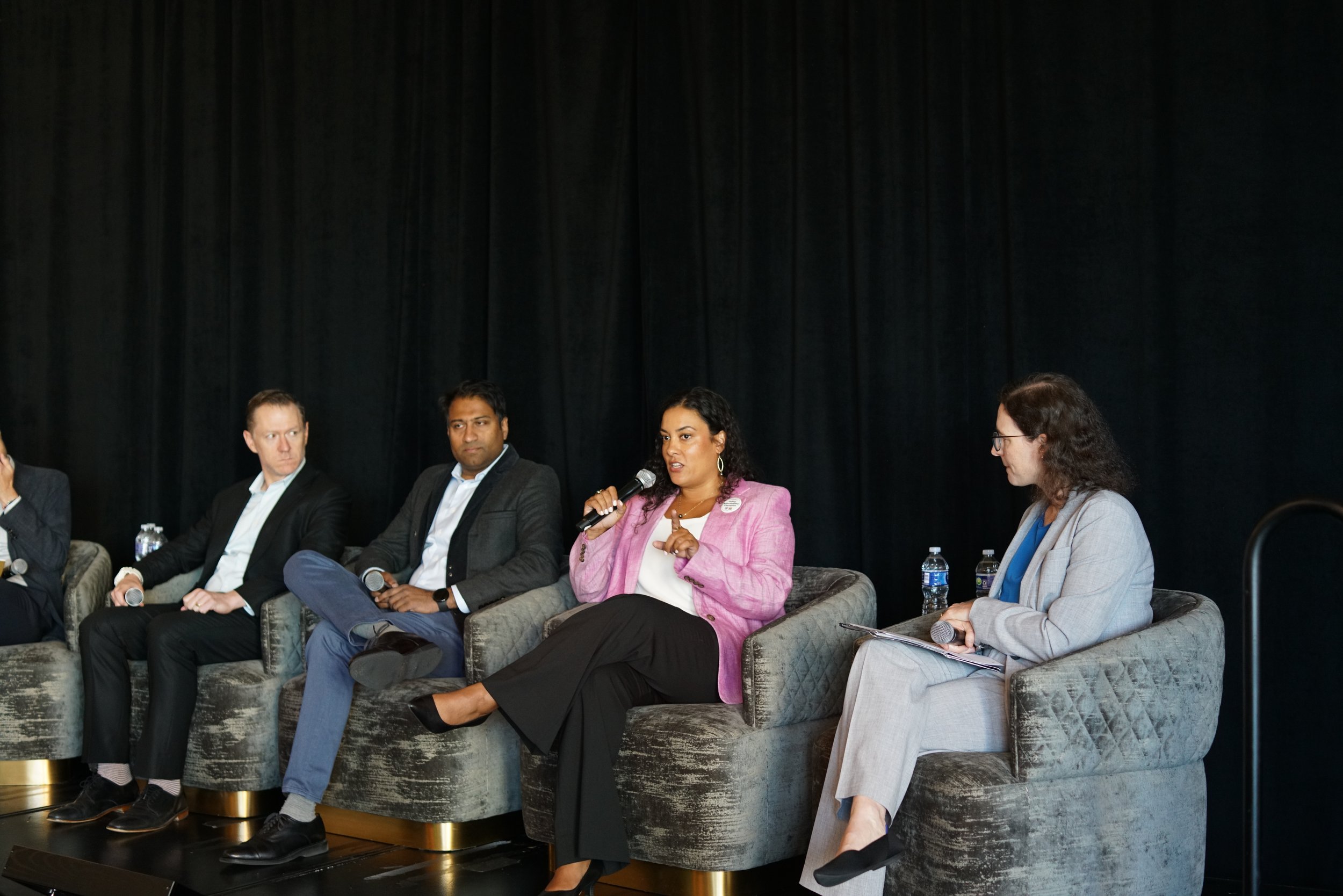
Adria Tinnin speaking on a panel about electricity affordability at Advanced Energy United’s California Powers Up.
Four Bay Area environmental leaders have been recognized for their outstanding dedication to building cleaner, healthier, and more resilient communities.
TURN's Legislative Champions Awards celebrated key legislators who championed affordable bills and corporate accountability, exercising courage to put the needs of residents and businesses over the greed of corporate profits.
As California races to break its dependence on fossil fuels and expand clean energy, a new power player is emerging: data centers.
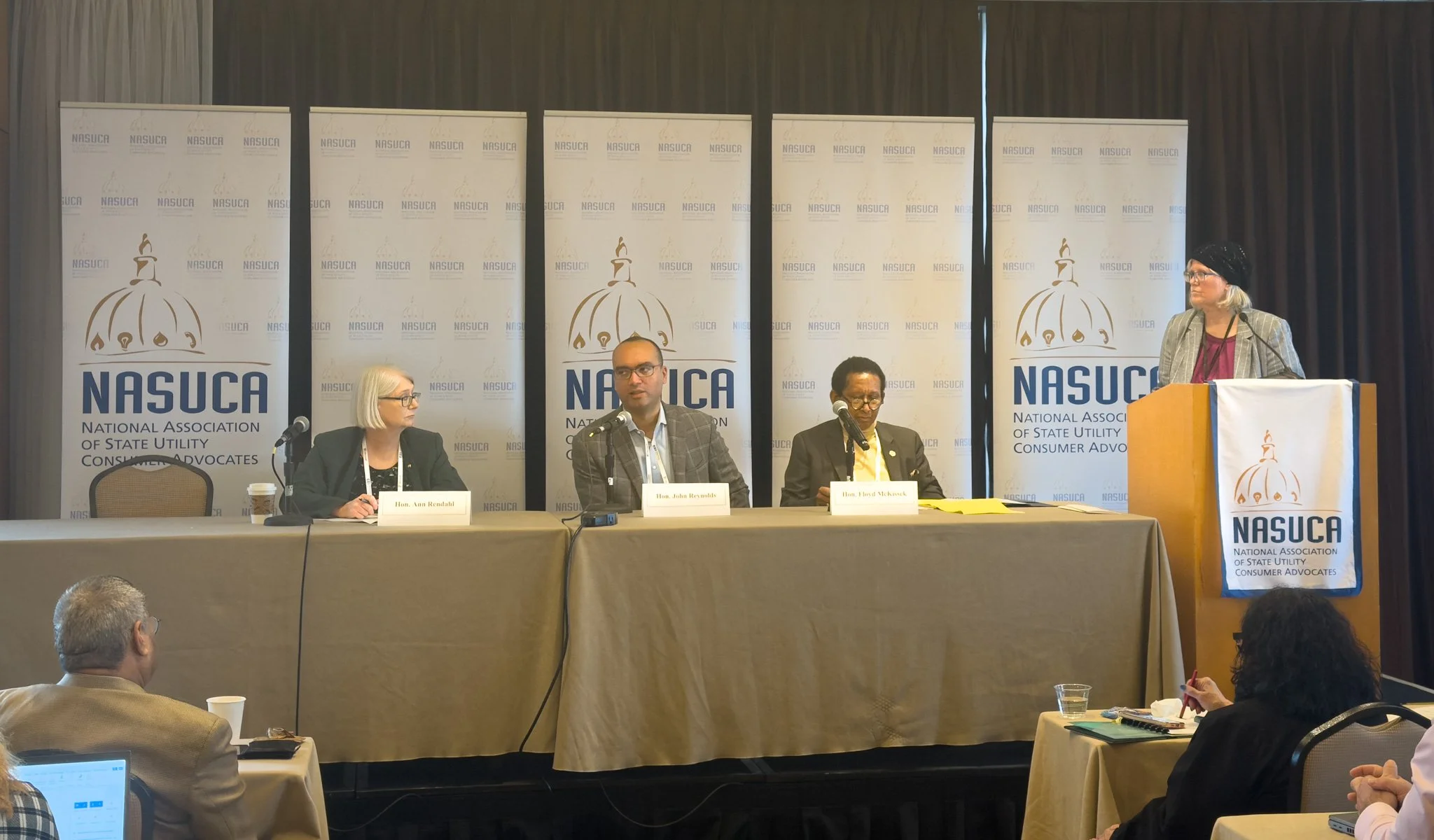
TURN Telecom Policy Director Regina Costa, moderating a panel at a national policy conference in Seattle, with Washington State Commissioner Ann Rendahl, CPUC Commissioner John Reynolds, and North Carolina Commissioner Floyd McKissick.
Matt Freedman speaking at the 17th Annual Lesley K. McAllister Symposium on Climate & Energy Law.
Mark Toney, executive director of The Utility Reform Network, joins the agenda to explore how to rein in Californians' electric bills and promote energy justice.
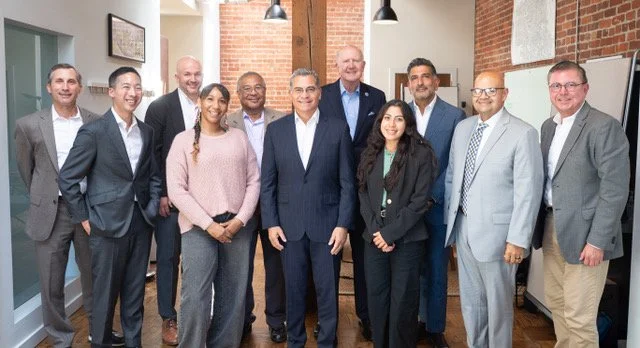
Tom is presented with a plaque honoring his 35 years of dedicated service to TURN and the public interest from 1990 to 2025.
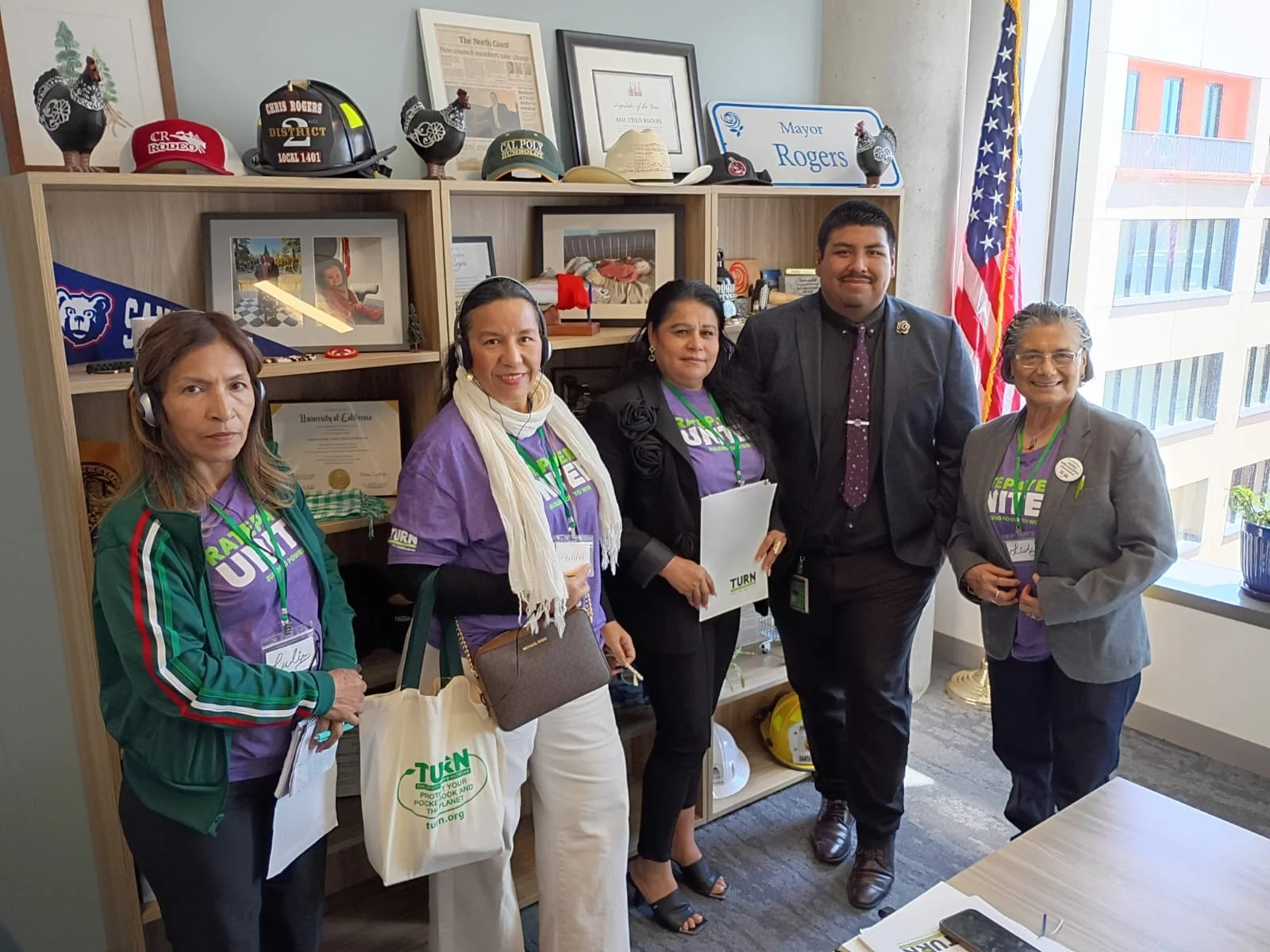
TURN In Action
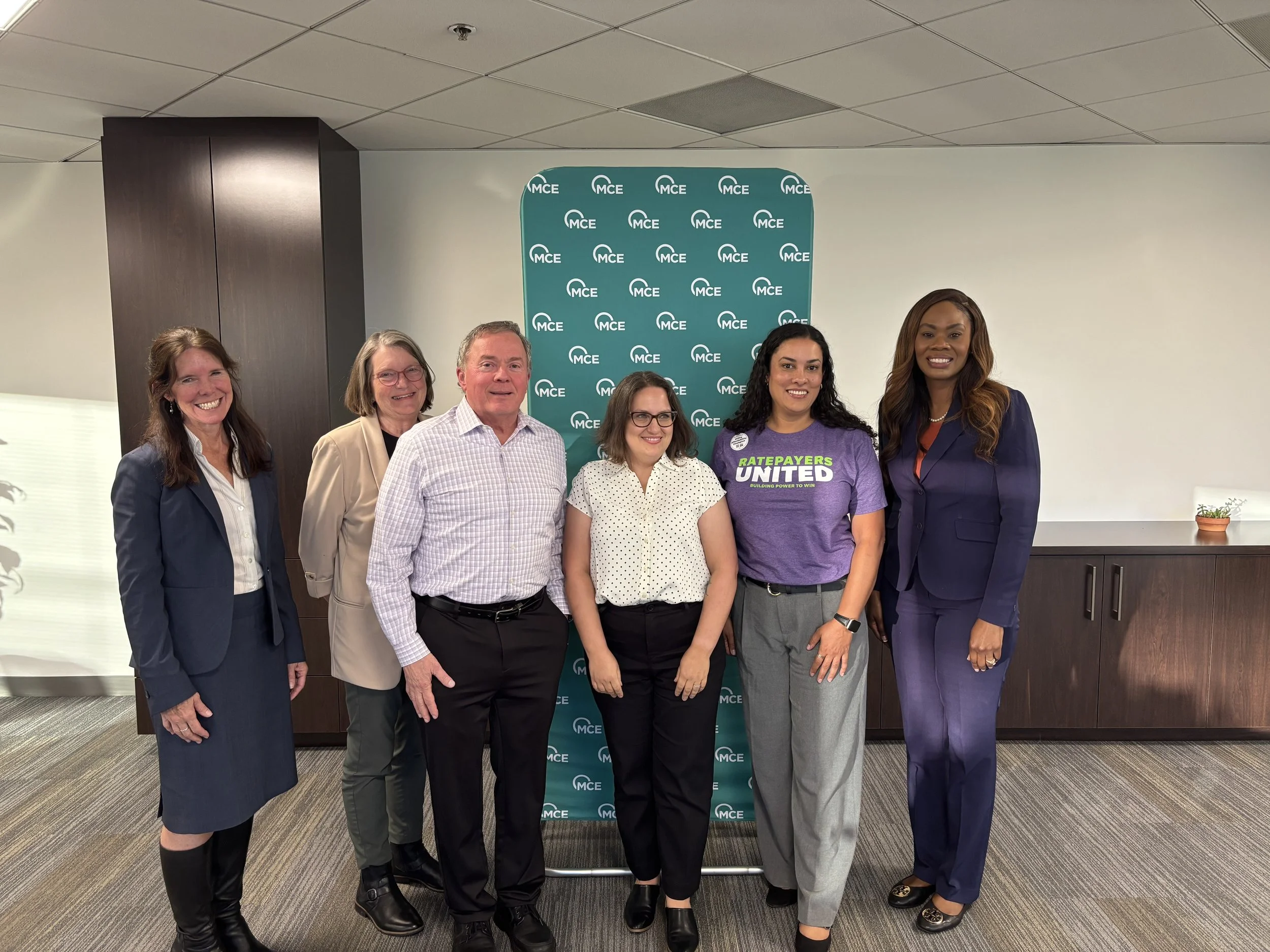
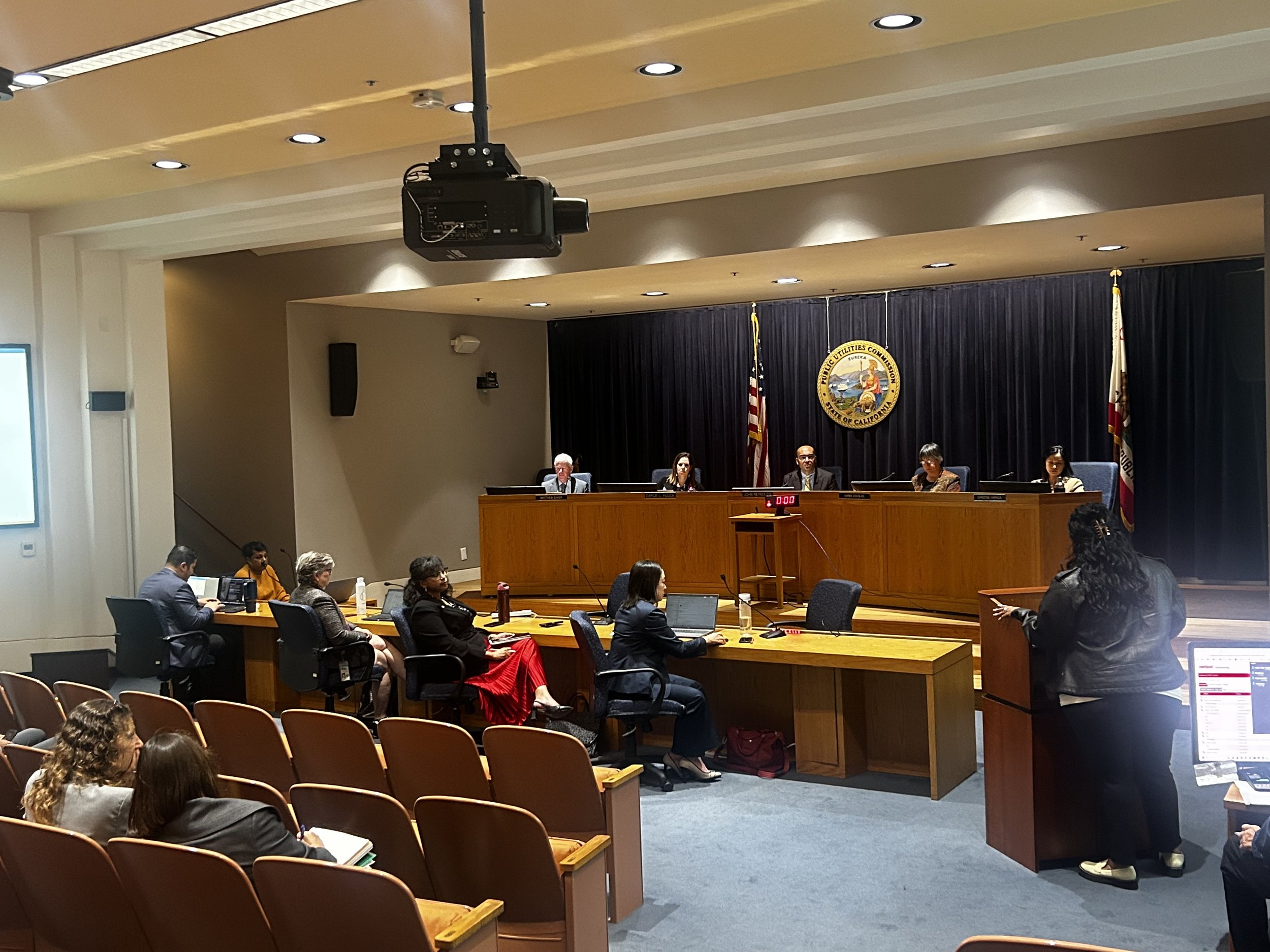
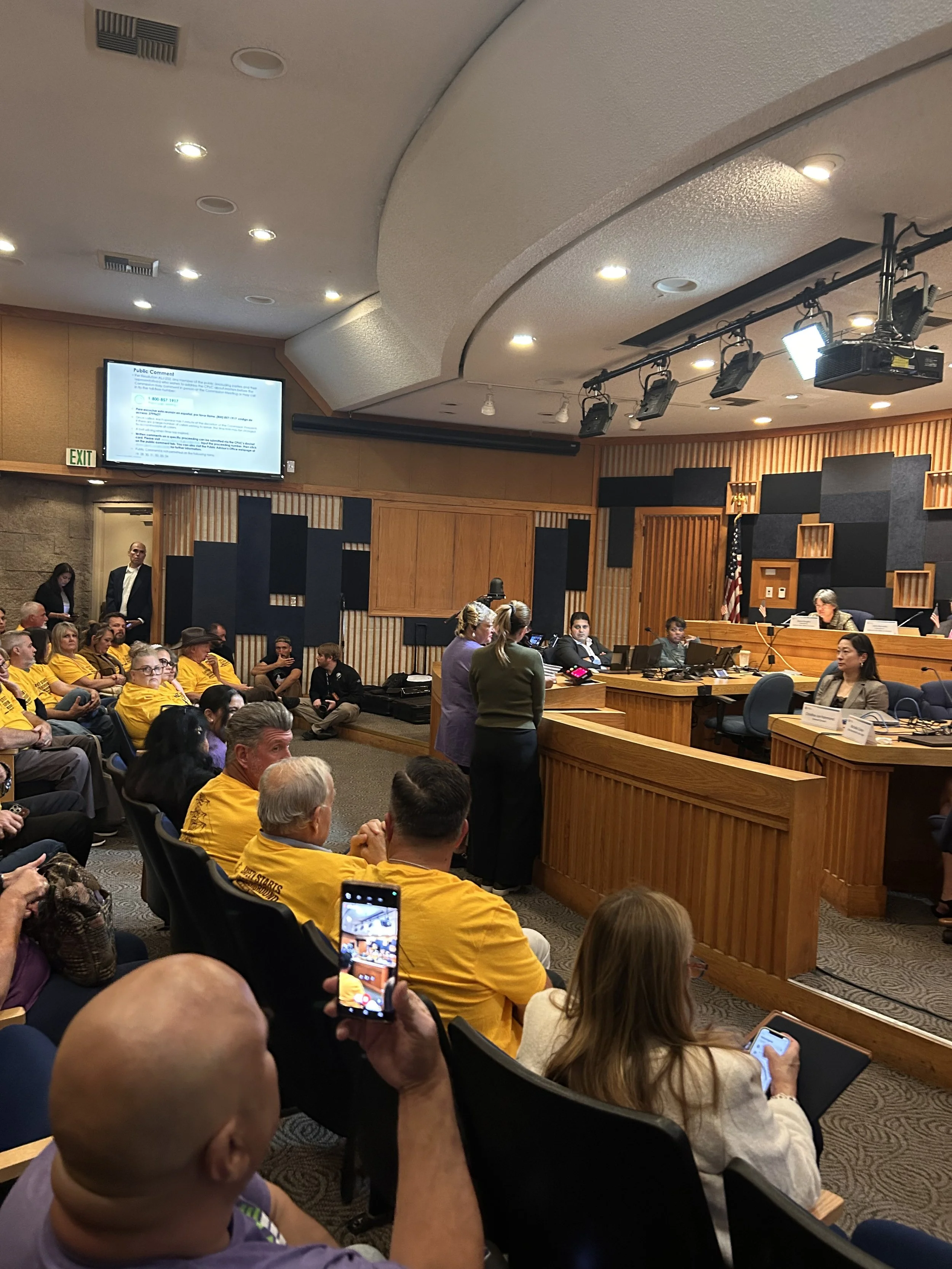
At the recent voting meeting of the California Public Utilities Commission (CPUC), Ratepayers United emphasized the urgent imperative for regulators to uphold and protect the “COLR”.
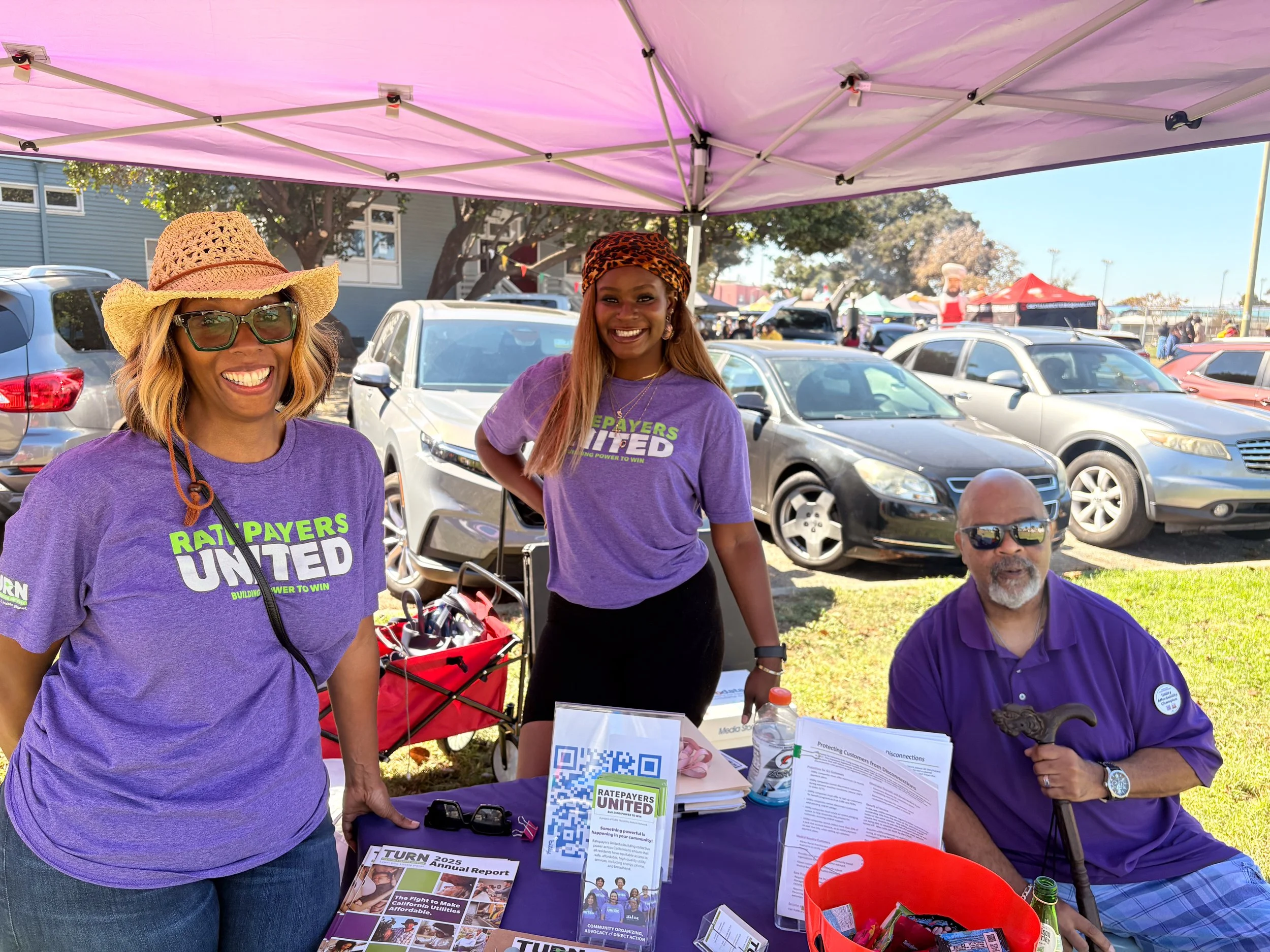
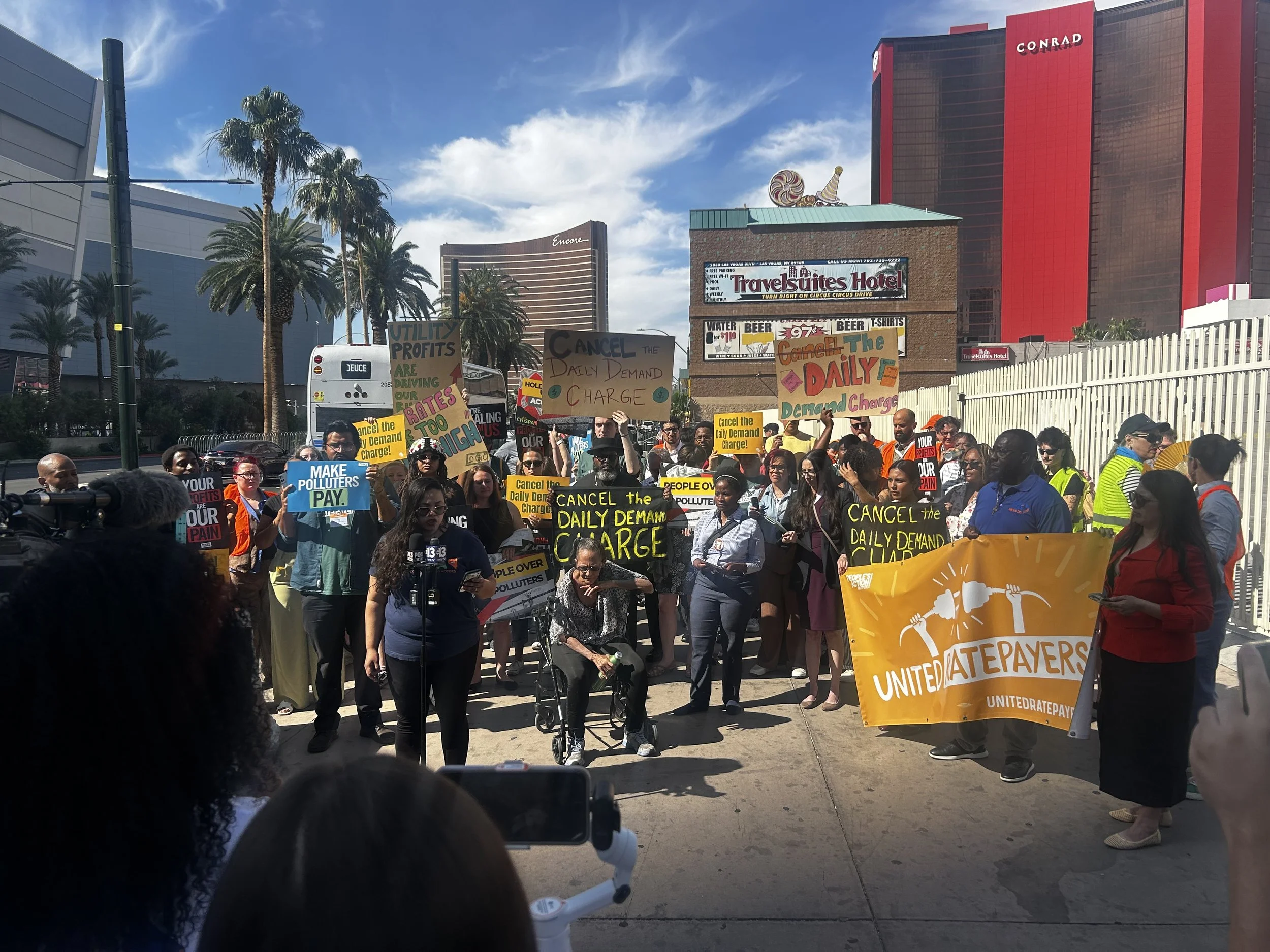
Ratepayers United In Action
Current Campaigns
-
Campaign for Affordable Power (CAP)
-
Landline Defense Team
-
Wildfire Reform
-
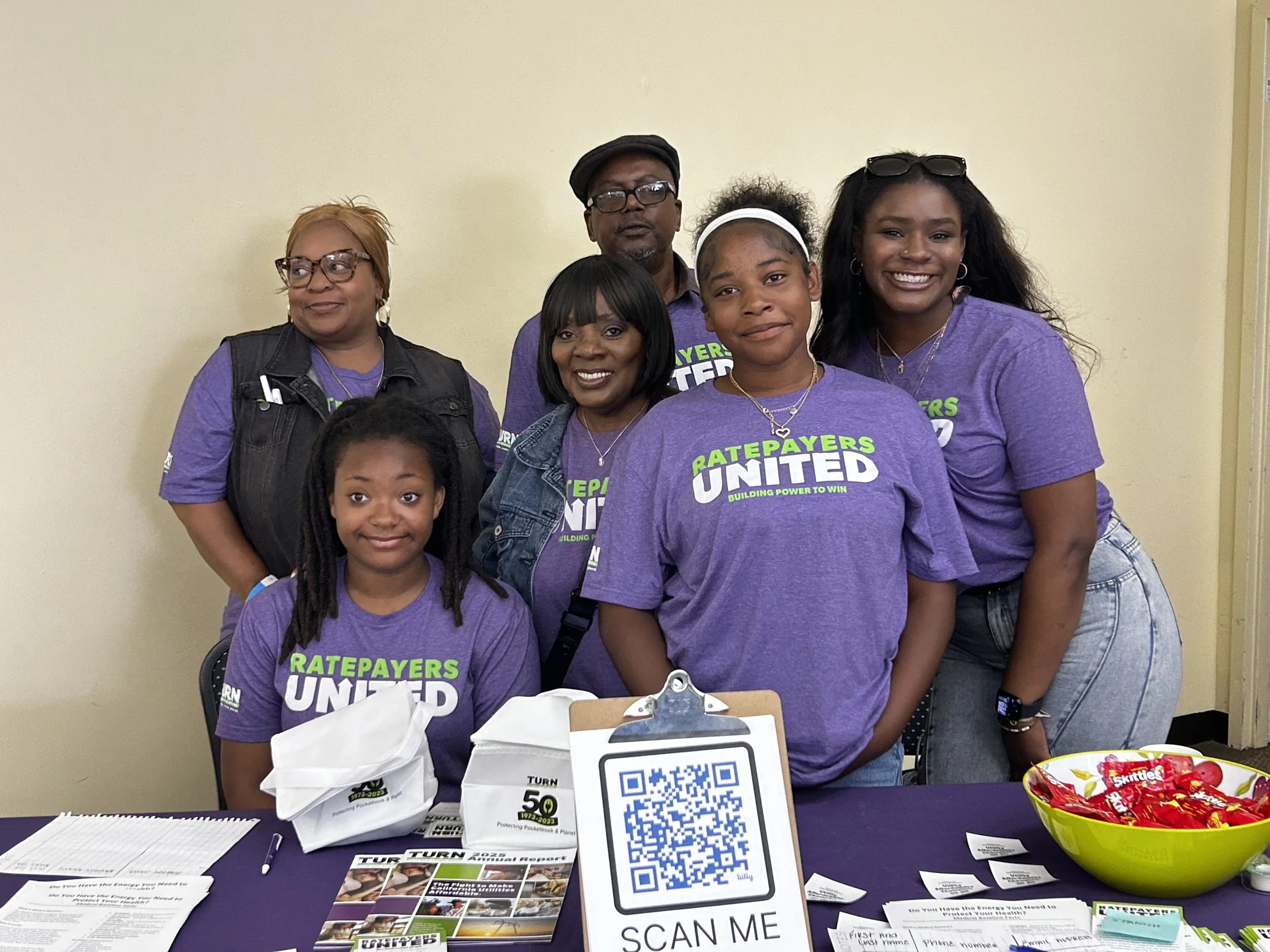
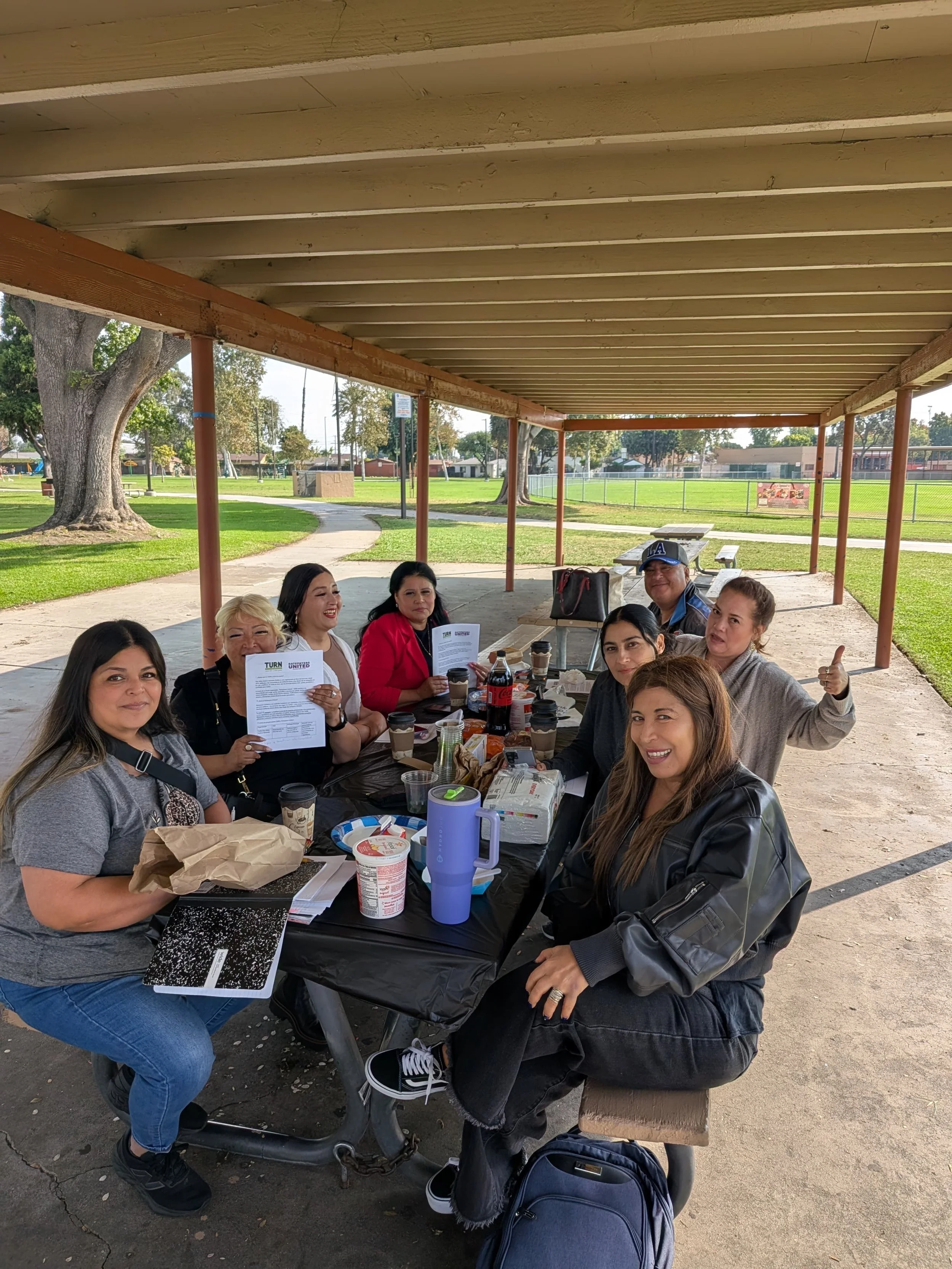
Ratepayers United
-
Charging Faith
Thank You to the Foundations Who Help Make Critical Work Possible!
This year your contributions supported: energy equity (through a program to train healthcare providers), clean energy policy, utility company accountability around their role(s) in reducing wildfires, and greater energy bill affordability throughout California.
When you add your voice to our growing team, you are part of making a real impact! Working together, we can make a difference for California Families, our planet, and the future generations to come.

Source: The Sacramento Bee | By Andrew Graham and Stephen Hobbs
Newsom is not alone in his stance, including from people who are not traditionally aligned with utility companies. Mark Toney, executive director of The Utility Reform Network, an organization that works to protect ratepayers from increased electrical rates, backs the idea of eliminating the ability of insurance companies to recoup money. He sees it as a way to help sustain a state wildfire fund and prevent taxpayers from being asked to keep refilling it.
Gov. Gavin Newsom’s last ditch effort to pressure legislators to change the way the state handles utility-caused wildfires involves an array of measures. But one issue in particular has become a flashpoint in the ongoing negotiations: Whether insurance companies should be able to recoup money from a utility company after a fire.
Source: Capitol Weekly | By Guest Opinion by Matt Freedman (TURN)
My organization TURN, which represents the interests of residential customers of the utilities, partnered with a diverse coalition to support a community solar program that could help achieve our broad clean energy targets. Due to increasing delays in connecting generation to the state’s high-voltage transmission network and rigid opposition by the Trump administration to placing renewable energy projects on federal land, California needs to deploy community solar and storage projects, which connect to the lower-voltage distribution system and don’t need any approvals from the federal government.
California’s environmental leadership is at risk. Despite the growing demand for clean and cost-effective energy, the state lacks a viable community solar and storage program that allows customers to participate in the development of shared clean generation facilities.
Source: CBS News | By Steve Large
Mark Toney, executive director of The Utility Reform Network, said lawmakers need to move quickly. "We are in a race with time," Toney said. "We need to cut out third parties, insurance companies. We need to limit attorneys' fees.”
California lawmakers and Gov. Gavin Newsom are racing to reach a deal on changes to the state's wildfire liability system, with just days remaining before the legislative session ends. The proposed reforms could affect how wildfire victims are compensated and how much utilities such as PG&E are responsible for paying after fires linked to their equipment.
Source: The Frisc | By Adam Brinklow
There is room for nuance, however, as the Oakland-based environmental group The Utility Reform Network acknowledges. TURN is backing several state bills to regulate data center expansion, including extra company taxes to help reinforce the public electric grid. TURN spokesperson Lee Trotman says sites already in SF aren’t on their radar: “We don’t have much to say about them other than they use less energy and water than AI data centers.”
Last month Sup. Connie Chan, who’s running for Nancy Pelosi’s congressional seat, released a campaign ad excoriating San Francisco’s AI boom. “AI data centers are driving up our utility costs, displacing our community, and jeopardizing our environment,” she said, standing in front of a public library. Chan’s not the only one raging against the machines. If elected, she’ll support a moratorium on new AI data centers penned by Congresswoman Alexandria Ocasio-Cortez (D-NY).
Source: SF Gate | By Anabel Sosa
Mark Toney, the executive director of the Utility Reform Network, a nonprofit legal advocacy network, told SFGATE in an email that there are still questions about the specifics of Becerra’s plan but that it is “encouraging” to see the candidate’s commitment to bringing down the price of electricity. “While we are unsure how much ratepayers might benefit from two free hours of electricity, we are eager to learn more about the proposal,” Toney said.
During midday in California, the state’s solar grid produces so much energy that, sometimes, it can’t even use it all. It’s a good problem to have, and one that the leading Democratic candidate governor thinks could be a boon to low-income households. At a recent summit hosted by Politico, Xavier Becerra said he wants to offer free electricity from 1 p.m. to 3 p.m. for those who qualify, possibly saving them upward of $1,000 annually.
Source: Communications Daily | By Philip Athey
Alexandra Green, a telecom and regulatory attorney for The Utility Reform Network, told us her organization also favored the Ormond proposal and was disappointed that the CPUC didn't require enough consumer protections in the merger agreement.
The California Public Utilities Commission (CPUC) unanimously approved the $34.5 billion Charter/Cox merger with some conditions in a Thursday vote, clearing the way for the resulting company to become the largest ISP and cable provider in the nation. The merger was previously approved by the FCC and DOJ, as well as regulators in New York and Connecticut. California was the final regulatory hurdle.
Source: The Plumas Sun |
If the FCC grants AT&T’s petition, the company could move forward with abandoning universal service obligations that millions of Californians rely on, particularly those living in rural communities. RCRC joined a coalition of organizations, such as The Utility Reform Network, California Alliance for Digital Equity, California State Association of Counties and the Communications Workers of America, in submitting comments to the FCC on July 7 and July 22.
The Rural County Representatives of California reports that, in coordination with a broad coalition of consumer, local government, labor, agricultural and public interest organizations, it has filed comments with the Federal Communications Commission opposing a threat to universal telephone service protections.
Source: Canary Media | By Jeff St. John
SB 905 represents an important, if somewhat incremental, next step on those efforts, said Matthew Freedman, senior staff attorney at The Utility Reform Network (TURN), one of the state’s most vocal utility ratepayer advocacy groups and a sponsor of the bill. Among the bill’s provisions, a “lower return on equity is a pretty big one,” he said. Utilities earn guaranteed rates of profit on capital investments, which puts upward pressure on customer rates. Anything that can reduce that rate of “return on equity,” or ROE, could help limit those increases, he said. A number of states are targeting utilities’ ROE to combat rising rates — and utilities are, not surprisingly, fighting back against the idea.
California lawmakers are once again contending with how to curb the state’s high energy costs as they hurtle toward the end of this year’s legislative session on Aug. 31. So what’s on the table for utility rate reform in the final stretch? Enter Senate Bill 905, a complicated package of proposals that are likely to face intense opposition from utilities, which tend to reflexively resist rules that could crimp their profits.
Source: Yahoo!Finance | By Kim LaCapria
Mark Toney, executive director of nonprofit consumer advocacy group The Utility Reform Network, described electricity bills as having "high volatility," according to the newspaper.
Forecasters expected the Central Valley to get close to 110 degrees and parts of the Bay Area to climb into the low 100s. In a state that already has some of the highest electricity prices in the country, that kind of heat can make air conditioning a major financial burden for families trying to stay safe.
Source: Broadband Breakfast | By Jake Neenan
The Utility Reform Network, a California advocacy group that did not settle and has opposed the deal, wanted the CPUC to go even further. The group generally supported the agency adopting Ormond’s proposal over Baker’s, as did another set of in-state advocacy groups like Digital Equity Los Angeles. TURN attorney Alexandra Green wrote that the number appeared to come from a filing in which Charter said there were 6,000 un- or underserved locations in its footprint, but that the number should be increased to account for the addition of Cox locations.
Charter and Cox Communications want California regulators to approve their $34.5 billion merger with fewer strings attached than consumer advocates. The California Public Utilities Commission is set to vote on approving the deal at its Aug. 13 meeting. Unusually for recent telecom mergers, the agency will have two proposed decisions to choose from.